
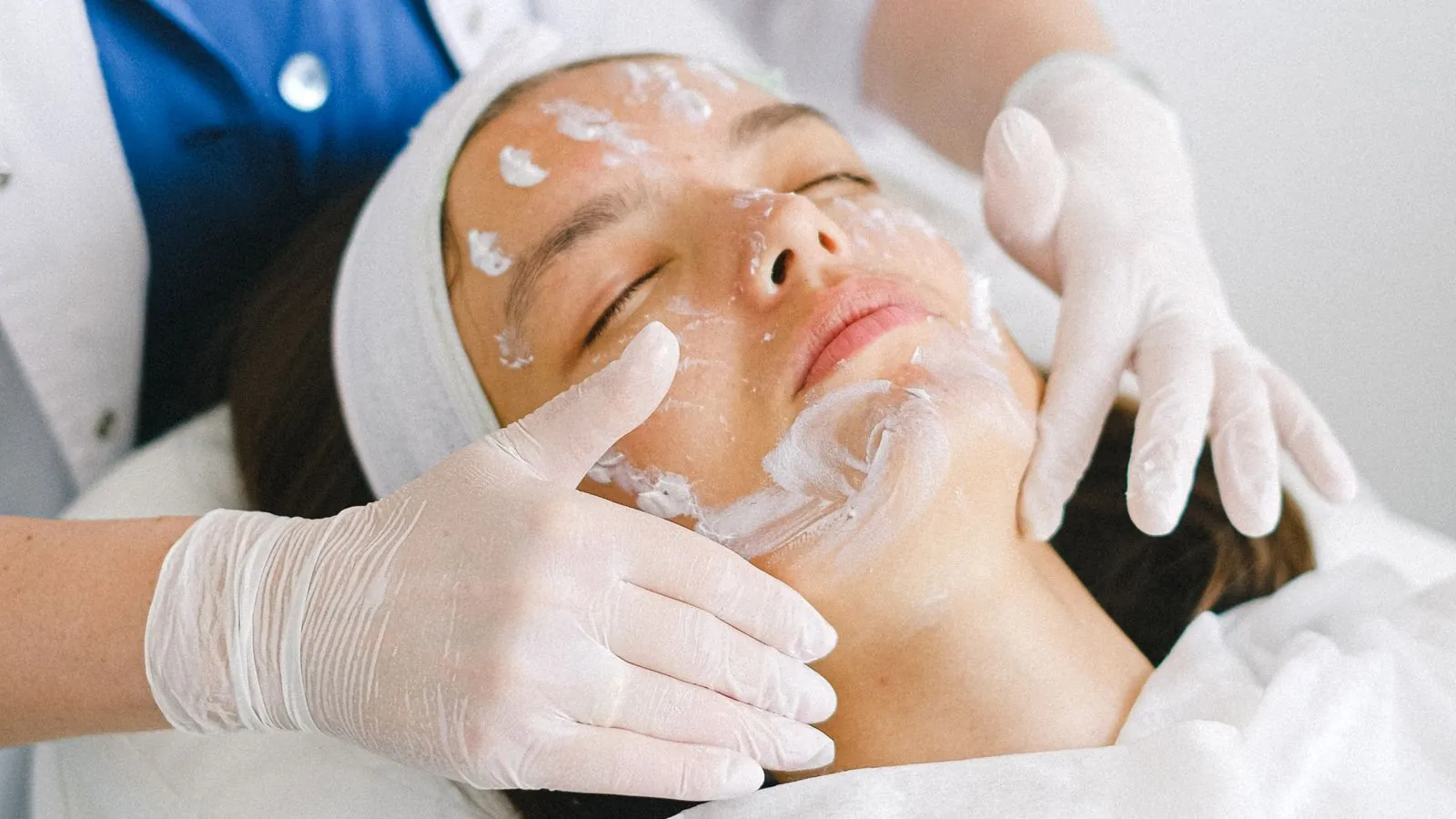
In technical aesthetics, the truth is simple: one session proves nothing. Laser hair removal only delivers a result after six to eight visits timed to the hair regrowth cycle. Slimming, anti-ageing, skin firming: everything hinges on a full protocol, never on a single trial.
Yet a huge number of clinics carry on selling by the session. And that is exactly where the two most discreet forms of bleeding in the trade sit: cash flow that trickles in drop by drop, and the client who evaporates before the end of the course, with no result and never coming back.
My name is Léo, I run Pépite Pass. We operate Apple Wallet and Google Wallet loyalty cards for businesses all over France: hairdressers, salons, aesthetics clinics, restaurants.
I see plenty of laser and slimming clinic owners with a superb satisfaction rate among the clients who go all the way, but who lose money and results on the ones who drop off along the way. And in 9 cases out of 10, the problem is not the quality of the treatment: it is the way the course is sold and tracked.
This article is not an aesthetics lesson: you know your protocols better than I do. My subject is the commercial mechanics that turn a course into secured cash flow and a client who finishes her protocol. In concrete terms: selling the prepaid course, materialising it in the client’s phone, and following up at the right moment. On that, I have something to say.
💸 1. The real problem with pay-per-session
Pay-per-session looks reassuring for the client and convenient for you. In reality, it costs you dearly on two fronts at once.
Front 1: your cash flow. A laser machine, a treatment room, rent, a practitioner: you have heavy, immediate fixed costs. When you take 80 euros per session spread over four months, your revenue trickles in while your costs land in one block every month.
You are in effect financing your clients’ instalment plan out of your own pocket. A course of eight sessions sold upfront is the same revenue, but taken straight away, covering your costs and leaving you room to manoeuvre.
Front 2: the result and satisfaction. This is the more insidious one. The client who pays by the session judges your work on every single visit, whereas your treatment only produces its effect at the end of the protocol.
After two or three laser sessions, she does not yet see a dramatic difference (that is normal, the hair cycle has not finished its work), she tells herself “it doesn’t really work that well”, she pushes back the next one, then she forgets. The result: she has no result, she is disappointed, and you have lost a client who would have been delighted if she had gone all the way.
👉 Pay-per-session mechanically manufactures drop-out.
And drop-out in aesthetics is a double penalty: you lose the revenue from the remaining sessions and you end up with an unhappy client who will tell people around her. 😕
🎯 2. The prepaid course: aligning the price with the reality of the treatment
The prepaid course flips the logic entirely. Instead of selling sessions, you sell a protocol and an objective: “permanent hair removal for the lower legs in eight sessions”, “the body-contouring slimming programme in ten visits”, “the radiance anti-ageing course in six treatments”.
👉 The client buys a result, not an isolated technical act.
This reframing has three immediate effects:
- You take the full basket in one go. Your cash flow breathes, your revenue is smoothed and predictable, you know what is already banked for the quarter.
- The client is psychologically committed. Her money is already in the course. Not coming back means losing money. This is loss aversion, one of the most powerful behavioural drivers: we hate letting go of what we have already paid for far more than we enjoy gaining.
- You steer the result over time. You work with a client who has committed to the whole protocol, so you can keep your promise of results, so you produce stunning before-and-afters and referrals.
The only real sticking point, you know it well: paying 600, 800 or 1,000 euros in one block is scary. The answer is not to give up on taking payment upfront. It is to make that purchase tangible and visible, so the client does not feel stripped of her money but the owner of a balance she is going to use. And that is exactly what the course card in the phone solves.
📱 3. Materialising the course in the phone (the balance mechanic)
A poorly tracked prepaid course is a cardboard slip scribbled in pen, filed in a binder behind reception. It gets lost, it fades, it creates disputes (“but how many sessions did I have left again?”), and above all it is invisible to the client between appointments.
As long as the balance is hidden in your binder, the client has no daily reminder that she still has credit to use.
The solution I see working is to put the course into a digital loyalty card with a balance mechanic. In concrete terms, here is how it goes:
- The client buys her course of eight sessions. At the till, you have her scan a QR code (or you send her a link by SMS). In one tap, a card is added to her Apple Wallet or Google Wallet. No app to download: the card lives in her phone, like a boarding pass.
- You load the course balance: “8 sessions” (or a credit in euros, depending on how you structure your packages). The client sees it in plain terms, in her Wallet: “permanent hair removal, lower legs, 8 sessions, 0 used”.
- On each visit, you decrement from your tablet or computer. The client’s card updates automatically: “5 sessions left” becomes “4 sessions left”. Before her eyes, at every visit.
This detail changes everything: the balance is no longer in your binder, it is in her pocket. Every time she opens her phone, the card is there, and the counter reminds her that she still has paid-for sessions waiting. It is the visible-progress effect applied to a course: as long as sessions remain, the brain has a concrete reason to come back and finish. ✨
And on the clinic side, no more counting disputes. The balance is shared, reliable, timestamped. The client cannot get it wrong, and neither can you. Trust is built into the tool.
🔔 4. The push notification: following up before the procrastination sets in
Taking payment for the course upfront and showing the balance is already two thirds of the job. The last third is the timing of the reminder.
👉 Drop-out in aesthetics almost never comes from dissatisfaction, it comes from procrastination.
The client has no time this week, she postpones, the month goes by, and she ends up forgetting she still has credit.
This is exactly the moment when a well-timed notification makes the difference. With the Wallet card, you have free, unlimited push notifications that show directly on the client’s lock screen. No email lost in a crowded inbox, no SMS charged per send: a message that appears where she looks dozens of times a day. A few examples that work in a clinic:
- Dormant credit nudge: “You have 3 laser sessions left, shall we book the next one? Bear the regrowth cycle in mind, the ideal spacing is coming up.”
- Optimal spacing reminder: in hair removal, the timing between two sessions determines the result. A push at the right point in the hair cycle is both a service and a commercial follow-up.
- Freed-up slot: a last-minute cancellation? A push “slot free tomorrow at 2pm” to your clients on a course, and you fill the gap without picking up the phone.
- Complementary treatment cross-sell: at the end of a laser course, offer the slimming or anti-ageing treatment to the client who knows you and already trusts you.
All of this with no variable cost: Wallet pushes are included in the subscription. I have set out the mechanics and the timing best practices in this article on Wallet push notifications that bring customers back at no cost: the principles are the same for an aesthetics clinic as for a restaurant.
A question about your specific case? Try Pépite Pass for free
🧱 5. How to build your treatment packages
Structuring your courses is as much about sales as it is about technique. Here are the principles I see working at the clinics that have their cash flow under control.
| Type of course | Sales logic | Recommended card mechanic |
|---|---|---|
| Laser hair removal (area) | Fixed package: number of sessions set by the hair cycle | Balance in number of sessions |
| Slimming / body contouring | Goal-based programme, closely spaced sessions | Session balance + spacing push |
| Anti-ageing / radiance | Renewable maintenance course | Balance + end-of-course follow-up |
| Open beauty credit | Prepaid multi-treatment wallet | Euro balance (cashback) |
A few concrete rules that help:
- Give the course an outcome name, not a number of sessions. “Smooth lower legs” sells better than “8x leg laser”. The client is buying the objective.
- Put a price advantage on the full course compared with the single session. It is the per-session price that should sting, not the course. That way the client naturally chooses the package, and you secure the full basket.
- Plan a maintenance course at the end of the main protocol. In hair removal, there are always annual touch-ups; in anti-ageing, maintenance is ongoing. The card already installed makes renewal obvious: the client tops up, you decrement again.
- Open credit in euros (cashback mechanic) is perfect for clients who mix treatments. They load an amount, spend it as they please, and you have been paid upfront.
If you want to dig into the loyalty mechanics specific to the beauty trades, I have written a dedicated guide on the loyalty programme for hairdressers and beauty salons, and a more general one on loyalty programme mechanics (points, stamps, balance) and when to use each. The balance logic is detailed there: it is the one that fits a treatment course best.
🤔 6. Why not a custom app?
The question comes up often: “why not have my own app built to track courses?”. Because it is the classic trap. A dedicated app means: an enormous development and maintenance cost, and above all a friction that loses you half your clients at installation. Nobody wants to download an aesthetics clinic’s app to track a session balance.
The Wallet card sidesteps all of this: it uses Apple Wallet and Google Wallet, already on every smartphone, with nothing to install. The client scans a QR code in the treatment room or taps an SMS link, and her card is added in one tap. The adoption rate is nothing like an app you have to go and fetch from a store.
And on the clinic side, you run everything from a tablet or a computer, with a CRM that shows you your best clients, their courses in progress, and who has not been back for a while.
You also keep control of the look: logo, colours, photos, everything is customisable so the card looks like your clinic, not a generic tool. On the client’s screen, it is your brand that shows every time she opens her Wallet.
🔥 7. The mistakes that sink a course strategy
I see them come up often. If you are launching or overhauling your courses, keep them in mind.
Mistake 1: keeping the single session as the default option. If the single session is front and centre and the course is relegated to the bottom of the price list, your clients will choose the smaller commitment, and you will stay stuck in trickle payments. The course must be the main offer, the single session the expensive exception.
Mistake 2: taking payment upfront but tracking on paper.You have secured the cash flow, well done, but without a balance visible in the client’s phone, you lose the follow-up and attendance benefit. Paper tracking reminds nobody of anything. The counter in the Wallet does.
Mistake 3: never following up. A client with credit sitting dormant for two months will not come back on her own: she has forgotten. A kind push at the right moment is not harassment, it is a service. You are helping her get the result she has already paid for. Not following up means letting courses that were won slip away. 💀
Mistake 4: confusing a course with a restrictive subscription. A prepaid course is not a commitment that locks the client in on pain of penalty. It is a balance she uses at her own pace. It is this perceived freedom, combined with the money already committed, that creates both trust and attendance.
✅ 8. If I had to sum it up in one sentence
A technical aesthetics clinic does not sell sessions, it sells results that only exist at the end of a protocol. The prepaid course finally aligns your commercial model with that reality: you take the full basket in one go, your cash flow breathes, and the client has a structural reason to go all the way, to the result that will make her loyal and an advocate.
The mechanics come in three steps: take payment for the course upfront, materialise it as a visible balance in the client’s phone (the balance card in Apple Wallet and Google Wallet), and follow up at the right moment with a free push notification before procrastination sets in. The three together cost less than a single secured laser course, and it is what separates a clinic that is at the mercy of its cash flow from one that steers it.
If you run a laser, slimming or anti-ageing clinic and you would like us to look together at how to structure your courses into prepaid cards, message me on WhatsApp at +33 6 03 90 27 83. I will not sell you a miracle solution: I will tell you what I see working at the clinics and salons we support. You can also see a demo of the card to get a concrete idea of how it looks on the client side.
And if you like this kind of trade-specific angle, take a look at the other hands-on guides on the blog, like smoothing out the seasonality of a cheese shop or standing out with a wine club: different trades, but the same underlying logic: bring people back, and secure the revenue upfront.