Let me be straight with you: TheFork is not a scam. It is even a good product, one that fills empty tables and brings in customers you would not have had. The problem is not the platform, it is what you end up paying every month: a subscription, plus a commission on every cover booked, including on customers who would have come anyway. In this article, I break down the real cost, and I show you how to take back, directly, the bookings from your regulars, with no per-cover commission. Without pretending to replace what TheFork does best: getting you discovered.
🤔 Why I started questioning the TheFork alternative
When you open a restaurant, TheFork is almost a reflex. You sign up, you add your slots, and the first bookings come in. At the start it feels magic: people you did not know push the door open. The doubt comes later, when you look at the invoice and cross-check the names in the booking book.
A share of the covers you pay a commission on are your regulars. People who know you, who come back, and who just booked through the app because it is convenient.
Paying for a new customer is acquisition, that stands up.
👉 Paying a commission on a customer who would have come back anyway is renting access to your own customers.
And that, month after month, weighs on a restaurant margin that is already tight.
💸 The real cost: a subscription PLUS a per-cover commission
The booking platform model rests on two tiers you really need to keep in mind before comparing anything.
- A fixed monthly subscription, whether you get zero or a hundred bookings in the month.
- A per-cover commission on the bookings that go through the platform. Multiply by the number of covers, every month.
- Paid options on top (promotion, campaigns) if you want to climb back up the directory.
I deliberately avoid a precise figure, because the rate cards change and depend on your plan. But the principle is simple: the more you fill thanks to the platform, the higher the commission climbs. You succeed, you pay more.
Compare it with delivery: Uber Eats and Deliveroo take a percentage on every order, and everyone eventually understood how much that eats into an already thin margin. 📉 Booking is the same logic applied to your tables.
👍 What TheFork does really well, and no QR code replaces
I am not going to sell you a dream. TheFork has something I cannot give you: a directory where thousands of people are looking for a restaurant near them, without yet knowing where they will eat.
It is a discovery marketplace. When someone types "italian near me tonight" and lands on you, that is a customer you would not have had otherwise.
- Discovery: customers who do not know you and find you in the directory.
- The trust of the brand and the reviews already in place on the platform.
- The traffic of an app that millions of people have already installed.
So let us be clear: if your number one challenge is to get known in a town where nobody knows you yet, the marketplace has real value, and I am not going to pretend otherwise. A direct booking tool does not replace that. What it replaces is the commission you pay on the people who already know you.
🧮 The real question: what share of your bookings comes from loyal customers?
Before you change anything, do this quick mental sum. On last month's platform bookings, how many names do you recognise? How many are regulars, local people, customers who have your business card in their pocket and your number in their phone?
For most of the restaurants I come across, the answer is surprising: a large share of the "platform" bookings are customers who would have come without it. They book through the app for convenience, not because they discovered you on it.
For those, you are paying a commission on a sale you had already won. That is where the money you can recover without losing anything is hiding. 💰
🔄 Taking your bookings back directly, in practice
The idea is not to cut everything off overnight. It is to create a direct channel so that the customers who know you book with you, not through a middleman that takes its commission.
📱 A QR code, not an app to download
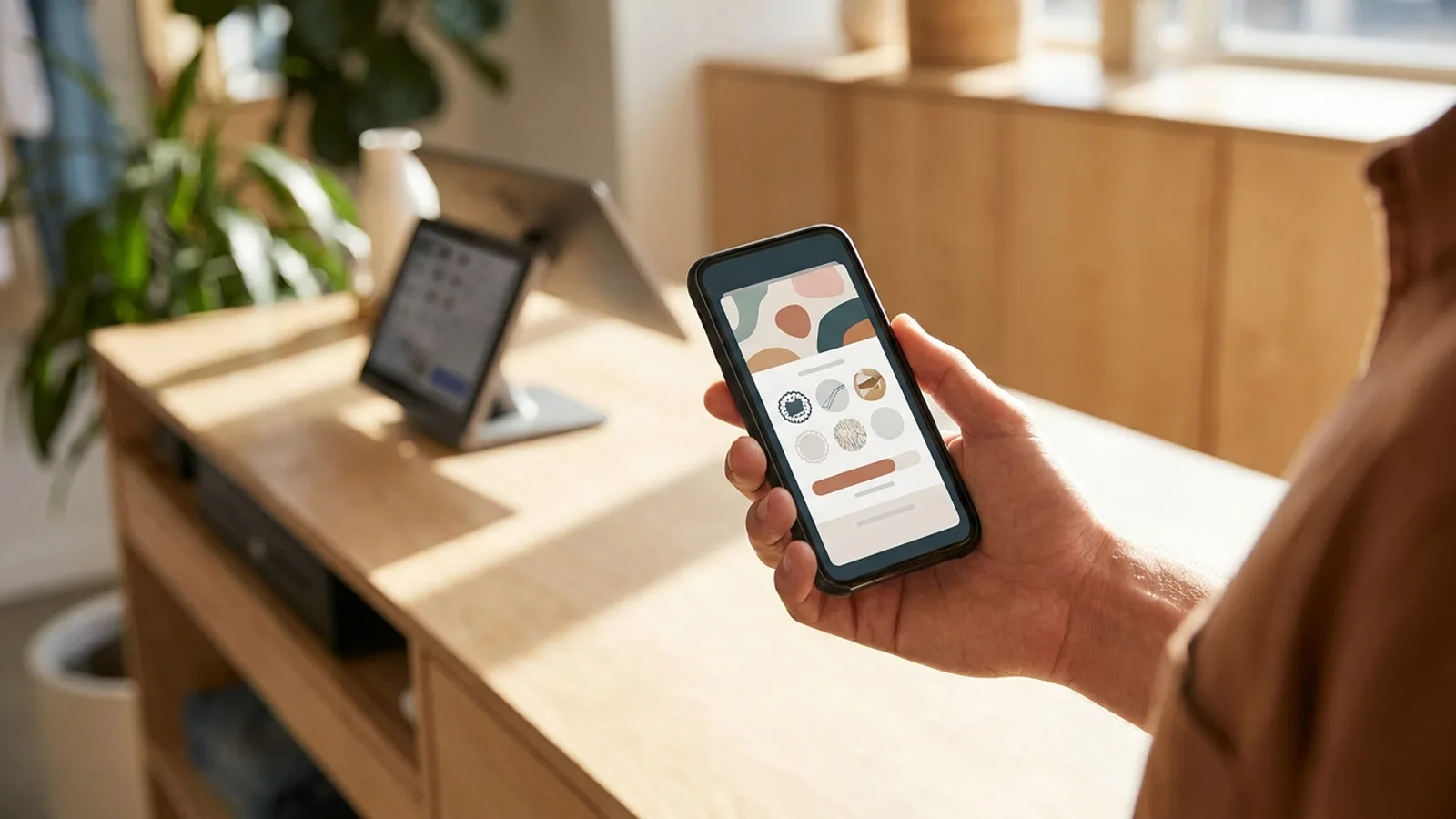
The customer scans the QR code placed on the table, on the bill, in the window or in your Google Business Profile. They land on your page: the up-to-date menu, and a button to book or order to take away. No app to install, no account to create.
They book in three taps, and the request comes straight to you.
🍽️ The menu, the booking and click and collect in one place
The same QR code works as a digital menu (with automatic translation for tourists), a booking tool and click and collect. The customer looking at your menu can book right away, without leaving the page. Zero per-cover commission on those bookings: they come to you, directly, and they stay yours.
- The complete guide to the QR code digital menu
- Optimising your Google Business Profile in 2026
- The digital loyalty card for restaurants, the guide
🔍 Getting discovered without the marketplace: the real plan
Since direct booking does not replace discovery, you need to replace it another way. And honestly, your best directory today is not a booking app, it is Google. When someone looks for a restaurant near them, they open Google Maps before anything else.
- A complete Google Business Profile, with photos, opening hours and an up-to-date menu: it is your shop window in local searches.
- Regular, well-rated Google reviews: this is what pushes you up and reassures the customer hesitating between you and the restaurant next door.
- A booking button straight from your Google Business Profile, without going through a platform that takes its commission.
It is groundwork, less immediate than plugging in a marketplace. But once your Google Business Profile is running, discovery becomes free and yours. ✨ Nobody takes a commission on the customers who find you on Google Maps and book directly.
🤝 What you keep when booking comes back to you
Taking back the direct channel is not just about saving a commission. It is about recovering things a platform keeps for itself, and that are worth far more over time.
- The customer relationship: the contact, the ability to bring your regulars back with a loyalty card, an offer, a message at the right moment.
- The data: you know who books, how often, what they like. On a platform, that data does not really belong to you.
- The margin: every cover taken back directly is one less commission, every month, with no cap.
🎯 My advice: keep the best of both
If I had to sum up what I advise the restaurateurs around me: do not demonise TheFork, but stop paying a commission on customers you already have. Keep the platform while your direct channel ramps up, especially if discovery genuinely brings you new customers. In parallel, set up a QR code on your tables, boost your Google Business Profile, and bring your regulars back directly.
The day most of your bookings come to you with no middleman, you decide, figures in hand, whether the per-cover commission is still worth it. Pépite Pass's booking tool, digital menu and click and collect can be tried for free, with no card: you have nothing to lose by seeing how many bookings you can take back directly from the very first month.