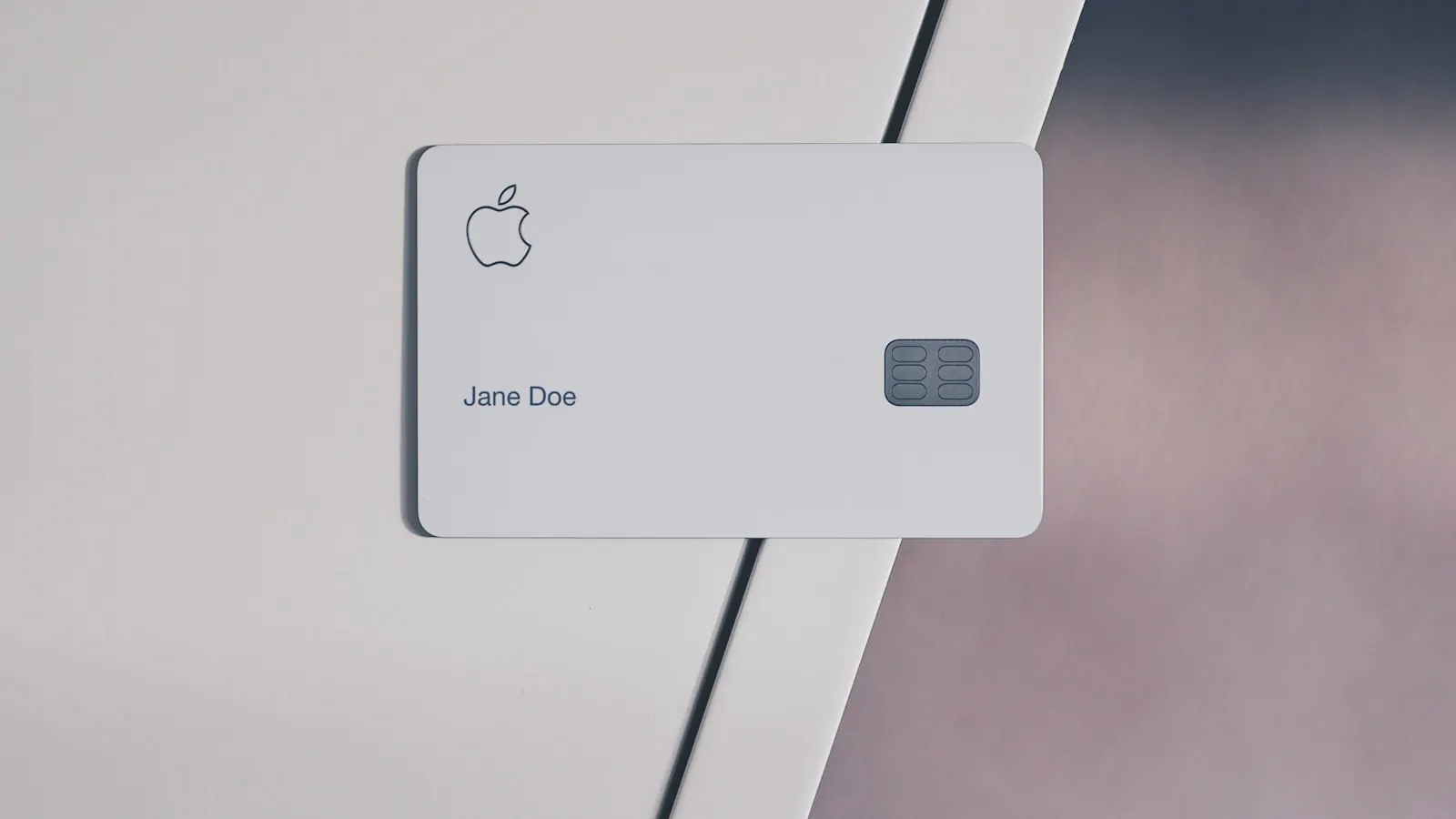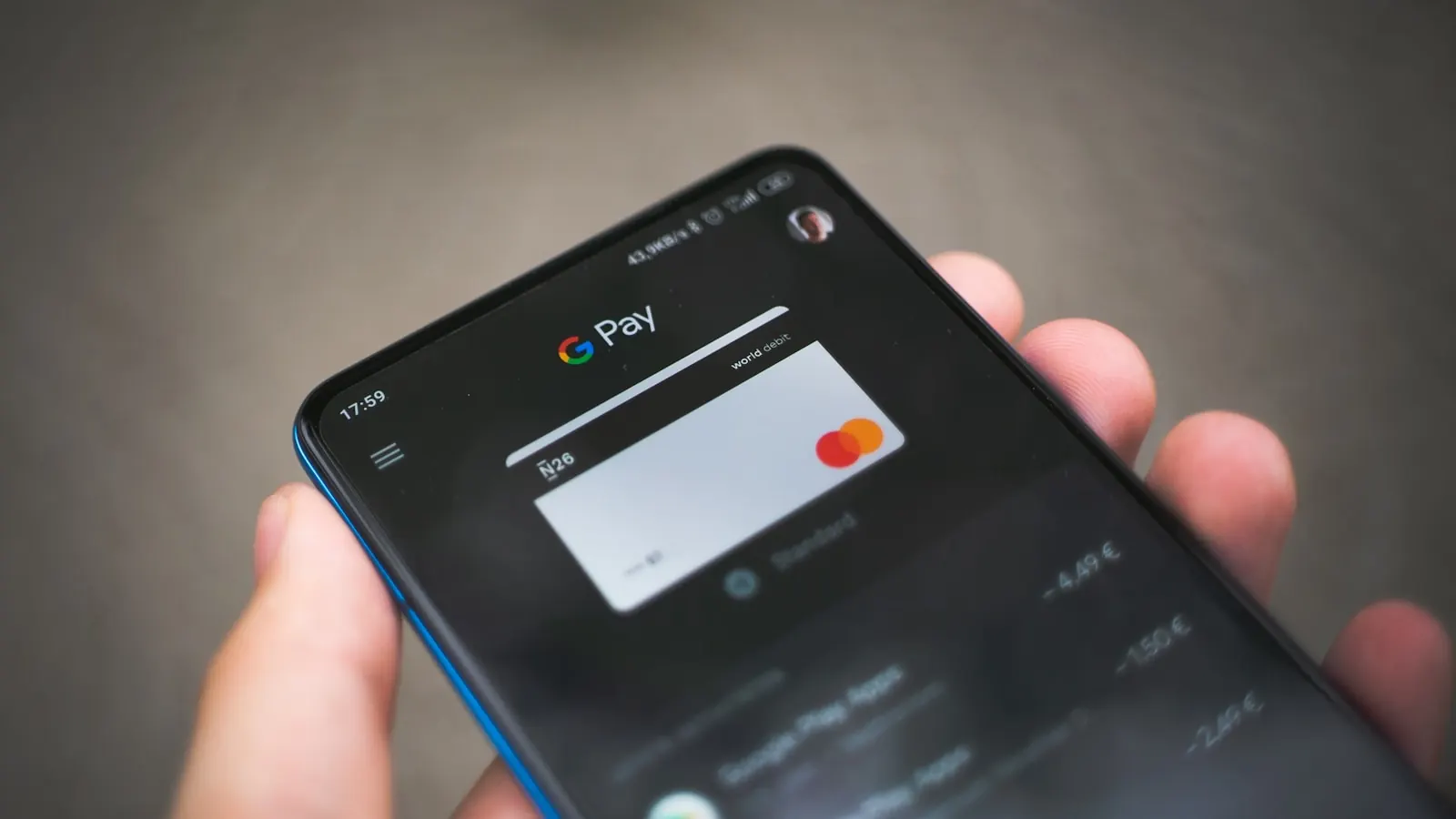
A retail app gets downloaded by 5 to 12% of customers, and 71% of apps are uninstalled within 90 days. A loyalty card in Apple Wallet or Google Wallet gets 60 to 75% adoption, and no one uninstalls it. Case closed.
Let me be blunt: in 2026, building a dedicated app for a shop or a restaurant is almost always a strategic mistake. Not because the technology is bad (it is very good), but because your customers will not download it.
And even if they download it, they will not open it. And even if they open it once, they will not come back to it. 💀
This article buries the dedicated app for loyalty, gives the real field numbers (not the cherry-picked success stories of mobile agencies), and explains why the loyalty card without an app became the standard in 2026.
💸 1. The hidden cost of a dedicated retail app
When a chain owner or a restaurateur asks me "what if we built our own app?", I always start by taking apart the real bill. Not the price on the agency quote: the total cost over 36 months.
- Initial development: €15,000 to €60,000 for a decent iOS + Android app (auth, loyalty, push, payment). Below that, it is an empty shell.
- Store account fees: recurring fees on the Apple side, a one-off entry fee on the Google side. This is the cheapest item.
- ASO (App Store Optimisation): if you want people to find your app, you have to pay an ASO agency €1,500 to €3,000/month, or run marketing pushes by the bucketload.
- Technical maintenance: Apple/Google requirements that change every 6 months, support for new iPhones, iOS bug fixes. Budget 8 to 15% of the initial cost per year, in perpetuity.
- Store moderation: Apple can reject your update over a misplaced comma. It happens. You lose 5 to 10 days of communication.
- User acquisition: convincing your customers to download costs €2 to €5 per install even with a QR code in the room. And out of 100 installs, you keep 15 active users at month 3.
Over 36 months, a dedicated retail app easily costs €80,000 to €150,000 all in for a result measured in a few hundred genuinely active users. Compare that with a Pépite Pass subscription that comes to less than the price of a coffee a day, gives access to the same loyalty feature (and more) with an adoption rate 5 to 10 times higher, and that you can try for free, with no card required.
And I have not even factored in the opportunity cost of your founder's time spent handling bugs, user feedback, 1-star store reviews for a missing feature, or coordinating with the agency when iOS 19 ships and breaks your build. That time is time you are not spending on your product, your customers, your teams. The hidden cost is right there, and it is enormous.
📊 2. The adoption rate of a retail app: the numbers, honestly
These numbers rarely get discussed because they are awkward for mobile agencies. Here are the real orders of magnitude, checked against dozens of real cases and cross-referenced with public studies (Statista, AppsFlyer, Localytics).
| Metric | Dedicated retail app | PWA | Wallet card |
|---|---|---|---|
| Installation friction | Very high (store + account + opening) | Medium (add to home screen) | Near zero (5 seconds via QR) |
| Install rate among exposed customers | 5 to 12% | 10 to 20% | 60 to 75% |
| Uninstalls at 30 days | 45 to 60% | 30 to 40% | 2 to 5% |
| Uninstalls at 90 days | 65 to 80% | 50 to 60% | 5 to 10% |
| Push received (vs sent) | ~40% (low opt-in) | ~25% (iOS restricts) | ~95% |
| Marginal cost per user | €2 to €5 (acquisition) | €0.50 to €1 | ~€0 (the QR is already in the room) |
Read the 30-day uninstall row carefully: a dedicated app loses half its users in a month. A wallet card loses 2 to 5%. Over a year, the gap becomes a chasm.
This is exactly why the digital loyalty card with no download is no longer talked about as a compromise: it has become the dominant solution.
🚀 3. The wallet: why 5 times more people will adopt it
The secret is not in the wallet technology, it is in the psychology of the install. When you ask a customer to download an app, you are asking them seven things:
- Open the store (30% of people already drop off here).
- Search for your app by name (10% mistype it).
- Check it is the right one (name clashes, scams).
- Tap download (Face ID / Touch ID).
- Wait 30 seconds for it to install.
- Open the app.
- Create an account (email, password, confirmation, GDPR).
Each step loses 10 to 30% of people. Multiply it all out and you understand why you end up at 5 to 12% final installs, at best.
With the wallet, the journey is:
- Scan a QR code with the camera.
- Tap "Add to wallet".
👉 Two steps. That is what changes everything.
The customer does not need to understand anything, does not need to authenticate, does not need to create anything. They already have Apple Wallet or Google Wallet installed, just as they already have Photos or Maps. It is exactly the mechanic of a plane ticket or a boarding pass: add it, full stop. ✨
To see what this looks like for your customers in practice, I detailed the Apple-side experience in the Apple Wallet loyalty card for restaurants. On the Google side, it is covered in Google Wallet for business owners.
✨ 4. The 4 real advantages of the wallet
Beyond raw adoption, wallet technology brings four structural benefits that no dedicated app can match, not even with an unlimited budget.
🔄 Advantage 1: the card updates itself for all your customers
You change your card (logo, mechanic, reward, message on the back)? Every customer who added it receives the new version silently, within seconds. No update to push to the store, no Apple Review that drags on for 3 days, no fragmentation between versions.
On a dedicated app, a simple logo change takes 5 days and goes through Apple. On the wallet, it is instant.
🔒 Advantage 2: permanent presence on the lock screen
Apple Wallet and Google Wallet passes appear automatically on the phone's lock screen depending on context (GPS proximity, time of day, usual visiting patterns). In practice: your loyalty card shows up on its own when the customer walks past your restaurant. No app can do that without special permission and a heavy user experience.
🤝 Advantage 3: OS trust by default
When the phone shows "Add to Apple Wallet", the customer sees Apple's UI, not yours. They trust it immediately, because they have already done this dozens of times (train tickets, cinema cards, concert tickets).
For a dedicated app from a shop they barely know, the customer is wary: "who is this? is it harvesting my data? is it going to spam me?". That friction of distrust is completely absent with the wallet.
🔔 Advantage 4: free, reliable and unlimited push notifications
Wallet push notifications are handled for free by Apple and Google. No text messages to pay for (€0.06 to €0.10 each), no email quota, no spam risk. And wallet push notifications are read almost every time because they appear directly on the lock screen with the card's image.
Put end to end, these four advantages point to a simple truth: the wallet is not a cut-price substitute for the app, it is a format that does things the app does not, and cannot, do. Contextual lock-screen presence, instant updates with no review, immediate user trust, a zero-cost push channel: no dedicated retail app combines these four elements, even with a €200,000 budget. The wallet does it by default, by design.
Want to see a real wallet push on your own phone?
🎯 5. The 3 (rare) cases where a dedicated app is still justified
Let us be honest, I am not saying the dedicated app is dead everywhere. There are three cases where it still makes sense, and three only, in my view.
- Massive in-app transactional value: a business doing e-commerce with a complex basket, algorithmic recommendations, built-in payment, order tracking. Think Uber Eats, Decathlon, Sephora. Loyalty is then a sub-module of a larger experience that justifies the app.
- A genuinely active community: fitness coaching apps, brands with daily content (videos, articles), ambassador networks. There, the app is a medium in its own right.
- Strong regulatory constraints: banking, healthcare, gambling, where the wallet is not enough.
For 95% of shops, restaurants, salons and neighbourhood boutiques? None of these cases apply. The QR code wallet loyalty card covers 100% of the need, at 1% of the cost. 💥
And even in the three exceptions above, I see a strong trend: big chains are starting to pair the app AND the wallet, because they know the app only captures the ultra-engaged minority. The wallet picks up everyone else: the warm but non-fanatical customers, the occasional visitors, the passing tourists. Pairing the two maximises total reach, without forcing every customer through an app's install funnel.
🤔 6. And where does the PWA fit in?
I get asked this a lot. The PWA (Progressive Web App) is a website that can install like an app on the home screen. On paper, it solves the store problem.
In practice, it sits halfway, and is not the right answer for retail loyalty.
Why? Three concrete reasons:
- iOS heavily restricts PWAs: no reliable push before iOS 16.4, no lock-screen integration, no access to Wallet, odd behaviour on badges.
- The user does not get it: it is neither really a website nor really an app. The "add to home screen" button is buried in the Safari menu, and 90% of customers never find it on their own.
- You are still stuck with a custom UI problem: your PWA is still your design, your UX, your responsive layout, so still development, maintenance and multi-device testing. The wallet is Apple/Google's UI, zero UI maintenance.
A PWA can complement a corporate website or a booking module. For pure loyalty, it is a detour that pays off nothing.
🔀 7. How to move an existing app base over to the wallet without losing it
This is the classic scenario for shops fitted with an app that performs only so-so: 800 active users, €35,000 poured in 2 years ago, and a maintenance cost that is becoming painful. You want to move to a loyalty card without an app without breaking the relationship with the 800 loyal customers you have already captured. Here is the method I have seen work.
- Month 0, an honest audit of the app: how many ACTIVE users (opening it > once a month), how many total downloads, how many uninstalls over 6 months. You will probably discover that "800 users" boils down to 120 active ones.
- Month 1, run the wallet in parallel: you add a Pépite Pass card alongside the app, with a QR code in the room. New customers go to the wallet, existing ones keep the app.
- Month 2, communicate to app users: an in-app push to announce "you can now add your card straight to Apple Wallet, it is faster, here is how". You will see 30 to 50% migrate spontaneously.
- Months 3 to 6, a gentle migration: every follow-up mentions the wallet first. The app stays functional but is no longer promoted.
- Months 6 to 12, decommissioning: once the vast majority has migrated, you put the app into maintenance mode (no new features) then pull it from the store. Savings: €15,000 to €30,000/year in maintenance.
This transition is also detailed, for restaurateurs, in the 2026 digital loyalty card guide for restaurants. And if you are still comparing with paper, take a look at paper vs digital loyalty card: the verdict is clear.
🏆 8. The 2026 verdict: loyalty straight on the smartphone, no detour
To sum up everything above: in 2026, asking a customer to download a dedicated app to join your loyalty programme is the equivalent of asking them to fill in a paper form in quadruplicate to walk into your shop. It is legal, it is technically possible, but it puts off 90% of people.
👉 The wallet won the adoption war because it removed the friction.
Loyalty straight on the smartphone, with no download, no account creation, no store, that is the native format of 2026. And every field report confirms it: the shops that switch see their sign-up rate multiplied by 5 to 10, their uninstalls drop to zero, and their ability to bring customers back explode.
Want to try it for yourself? You can start the free trial with no commitment, or book a personalised 15-minute demo where I show you your card with your logo and your mechanic. And if you would rather talk it over first, my WhatsApp is open on 06 03 90 27 83. Léo, founder of Pépite Pass.